


The Ultimate Guide to Agri Chemical Storage: Ensuring Safety and Compliance on NZ Farms
Most farms overlook how crucial proper agri chemical storage really is until something goes wrong. You might think a simple shed does the job, but storage requirements on New Zealand farms are stricter for good reason. This guide breaks down how to keep your chemicals labeled right, stored securely, and meet New Zealand regulatory guidelines to protect your workers and the environment.
Importance of Agri Chemical Storage
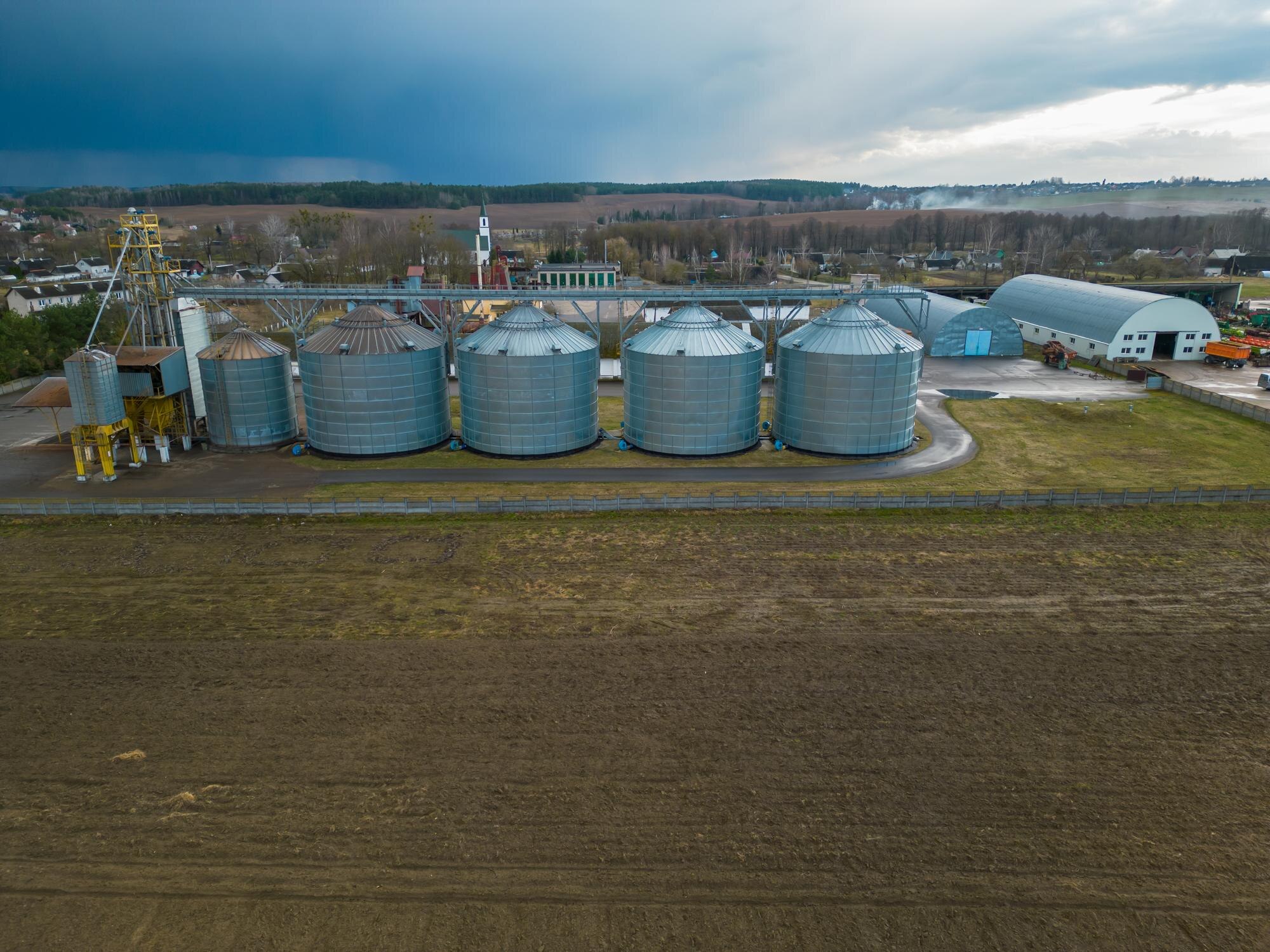
Protecting both people and land starts with how you store agricultural chemicals. Proper storage not only safeguards those who work on the farm but also ensures the well-being of the environment.
Safety in Agricultural Chemicals
Farmers know that handling chemicals carries risks. But did you know that safe storage is your first line of defense? By keeping chemicals in designated areas, you reduce the chance of accidental exposure. Storing chemicals properly can prevent spills and leaks, which can cause harm to both workers and the environment. A simple lock on the storage room can make a big difference.
Environmental Safety in Agriculture
The environment is at the heart of farming, but chemicals can pose a threat if not managed well. Safe storage means fewer leaks and less contamination of soil and water. When chemicals are stored right, you help keep the land fertile and safe for future generations. Plus, it shows your commitment to sustainable farming practices.
Storage Requirements for NZ Farms

In New Zealand, the guidelines for chemical storage are in place to protect both people and the environment. Knowing these requirements can keep your farm compliant and safe.
Secure Storage Facilities
Creating a secure storage facility is essential. This means more than just a locked door. Ventilation, proper shelving, and spill containment measures are crucial. A well-organized storage space also helps you find what you need quickly, reducing the chance of accidents. This setup ensures that even in case of a spill, chemicals remain contained and manageable.
New Zealand Regulatory Guidelines
Understanding New Zealand’s rules for storage is not just about following the law; it’s about ensuring safety. These guidelines help you store chemicals safely, away from areas where they might cause harm. They also outline how chemicals should be separated based on their properties to avoid dangerous reactions. Staying informed about these rules can save you from fines and protect your farm’s reputation.
Best Practices for Chemical Labeling
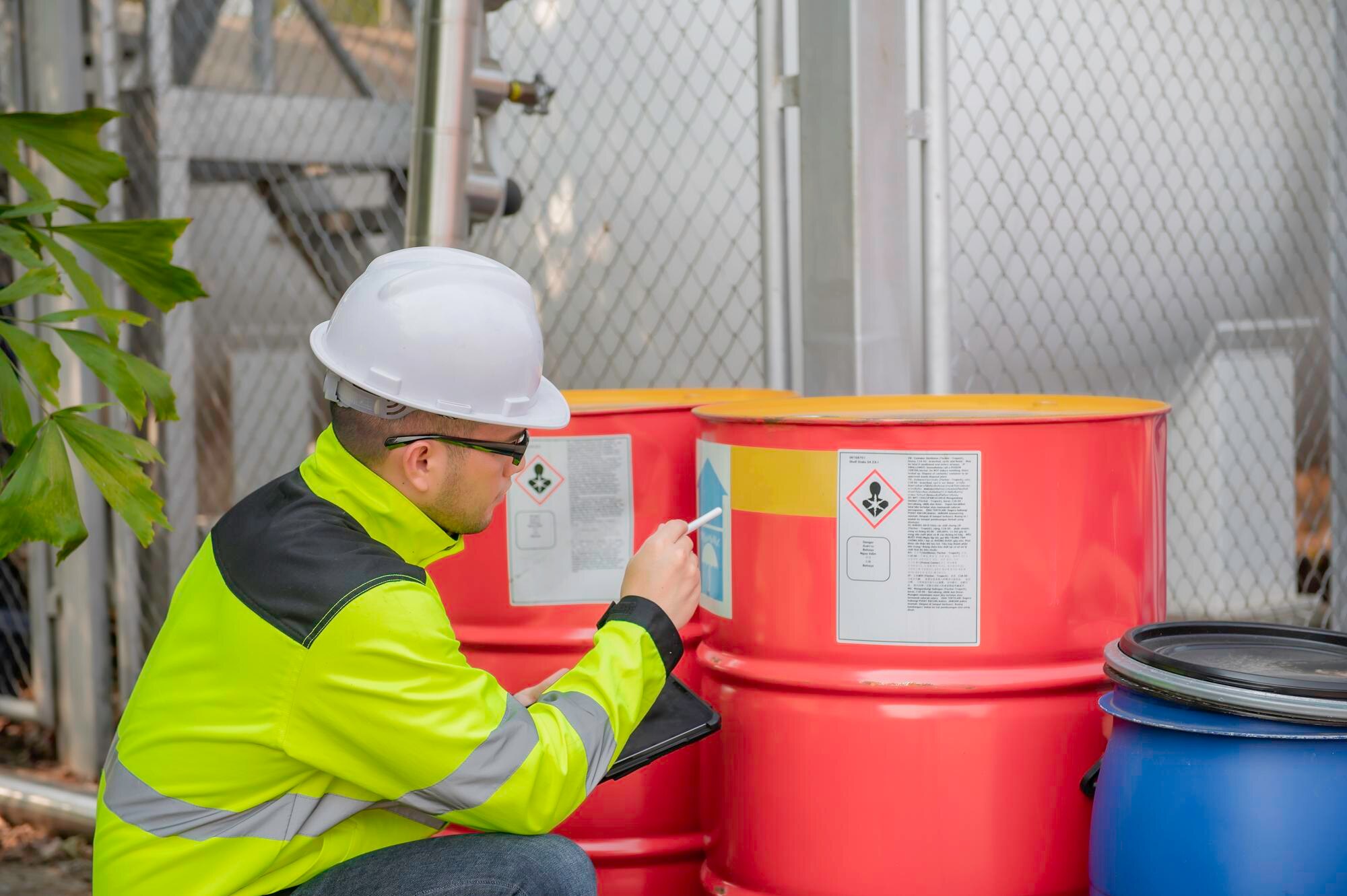
Labeling your chemicals correctly is a straightforward way to enhance safety and compliance on your farm.
Proper Labeling for Chemicals
Labels are more than just stickers; they are lifesavers in many cases. Each chemical should have a clear, legible label that lists its contents, hazards, and first aid instructions. This helps anyone who handles them to understand the risks involved. In emergency situations, a well-labeled chemical can be the difference between a quick response and a dangerous mishap.
Compliance with Labeling Standards
To meet New Zealand’s labeling standards, agri chemicals must be labeled in a way that anyone can understand. This includes using symbols and simple language. Regularly check labels to ensure they are not worn or missing. Clear, compliant labeling not only protects workers but also simplifies inspections from regulatory bodies.
Promoting Farm Worker Safety
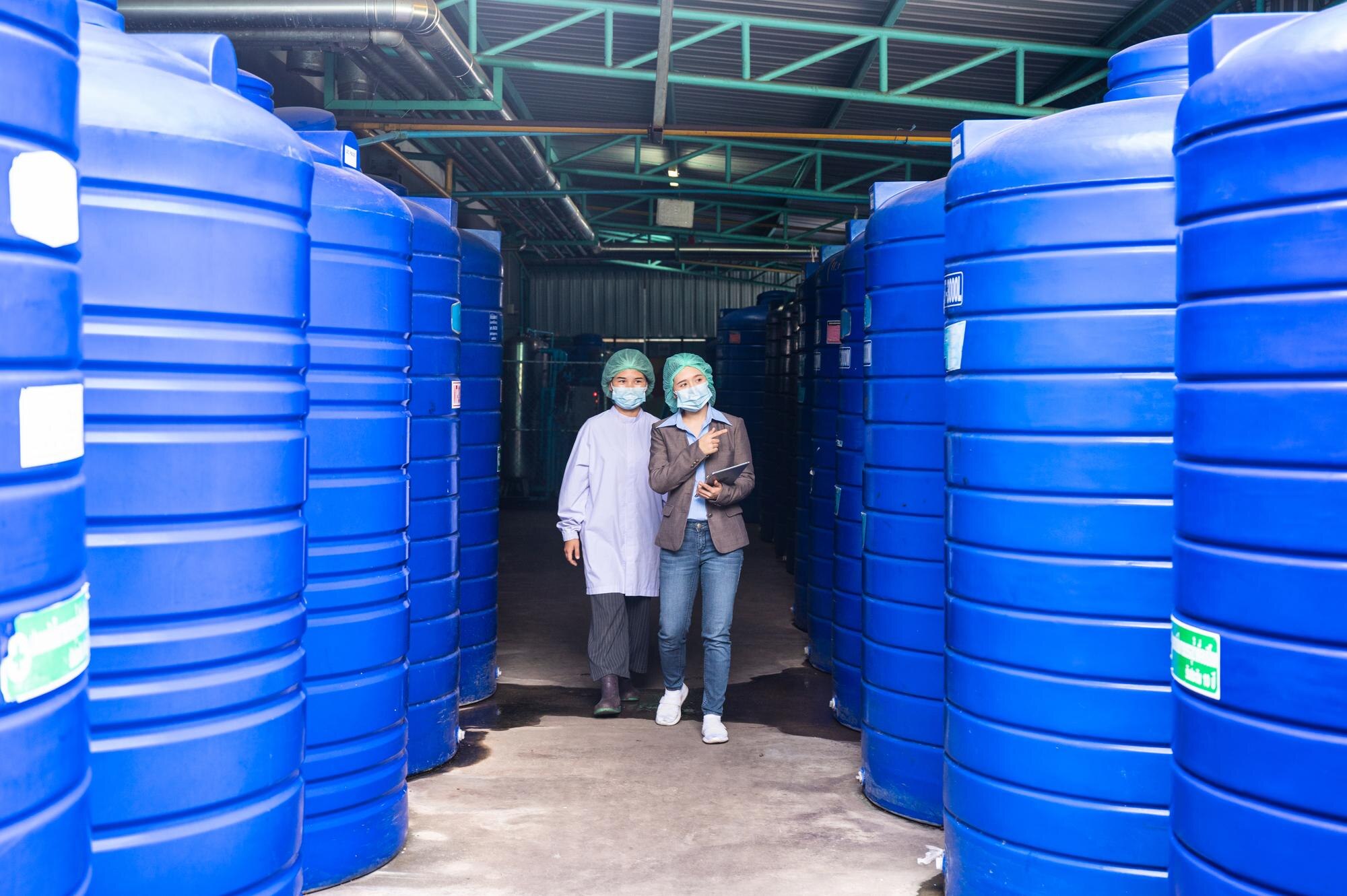
Safe chemical storage and handling start with well-informed workers. Training and gear are key to ensuring safety on the farm.
Safety Training and Protocols
Training is vital. Regular sessions should cover how to handle, store, and dispose of chemicals safely. Mock drills can prepare your team for potential spills or exposure incidents. When workers understand the protocols, they are more likely to follow them and keep themselves and others safe.
Equipment and Protective Gear
Proper gear can make all the difference. Workers should always use gloves, masks, and other protective equipment when handling chemicals. Ensure that this gear is readily available and maintained in good condition. A small investment in protective gear can prevent costly medical bills and lost work time.
Sustainable Farming Practices
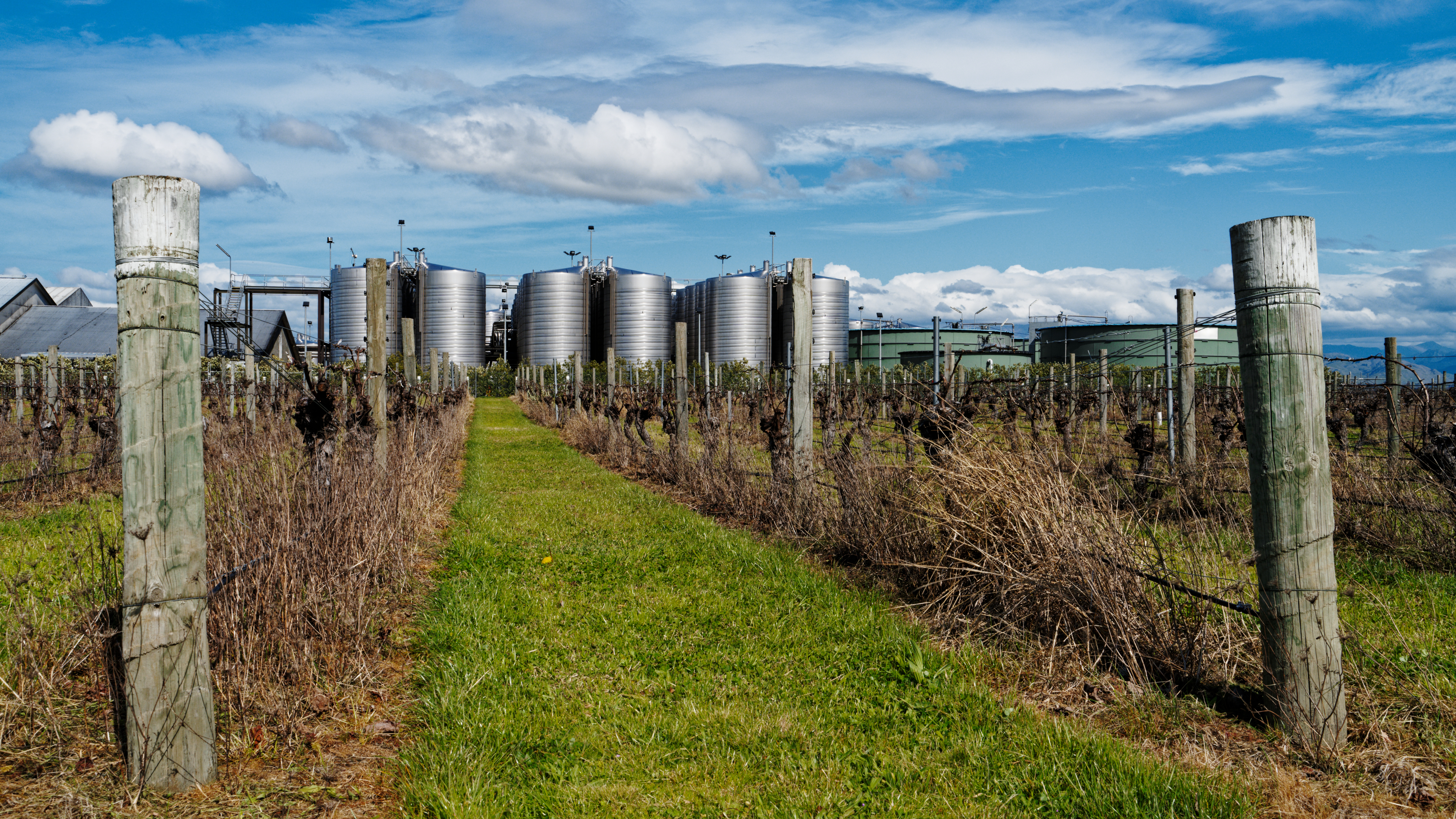
Sustainability is more than a buzzword; it’s a necessity. Safe storage and handling of chemicals play a huge role in sustainable farming.
Minimizing Environmental Impact
Every step towards better chemical storage is a step towards reducing your farm’s environmental footprint. By preventing leaks and spills, you keep harmful substances out of the soil and water. Sustainable practices not only benefit the environment but can also enhance your farm’s productivity and reputation.
Long-term Benefits of Compliance
Following storage guidelines offers long-term rewards. It protects your farm from fines and helps build a safe, reliable operation. Compliance shows that you care about the people, the land, and the future of farming. And it ensures that your farm can continue to thrive for years to come.
