


3 Hidden Fire Hazards in Your Workshop (and How to Safeguard Against Them)
Fire hazards lurk in places you might overlook in your workshop. These hidden risks can escalate quickly if flammable materials aren’t stored properly. Understanding where these dangers hide—and how to secure them with fire-resistant storage—strengthens your workshop safety and keeps you compliant. Let’s explore three common fire hazards and practical steps to safeguard your workspace.
Explore our range of fire-resistant cabinets to enhance your workshop’s safety today! For more information on common causes of workplace fires, visit this resource.
Common Fire Hazards in Workshops
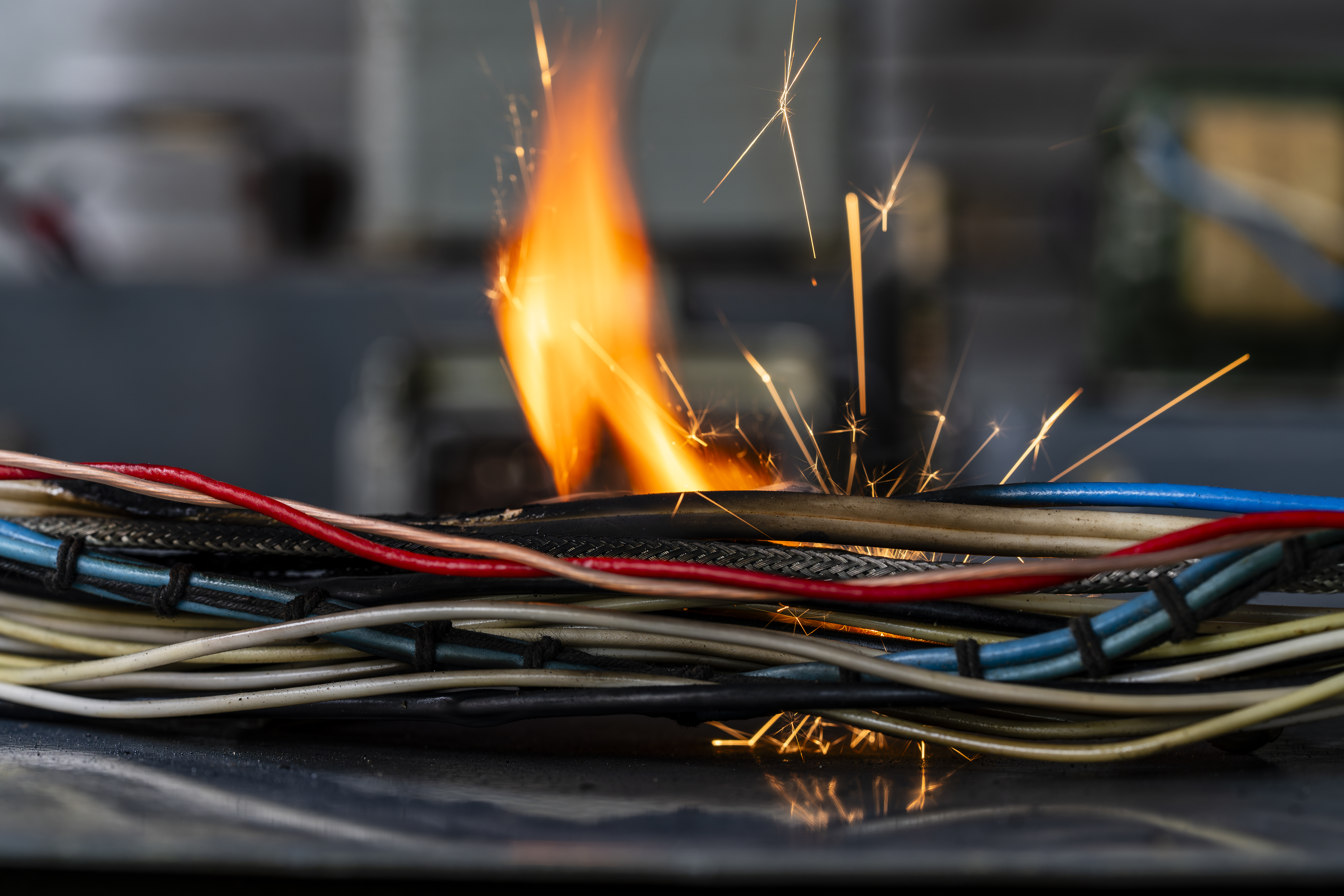
Ensuring your workshop is safe means knowing where fire risks hide. Let’s look at three common fire hazards that can turn your workspace into a danger zone.
Overloaded Electrical Circuits
Overloading circuits is like asking a small pipe to handle a flood. It can lead to overheating and potential fires. Many workshops use multiple machines and tools, often all plugged into the same outlets. When too many devices draw power simultaneously, circuits can overheat. This happens when you run high-power tools on a single extension cord or power strip.
To prevent this, distribute the electrical load across different circuits. Use outlets designed for high power, and avoid daisy-chaining power strips. Regularly inspect your wiring, looking for frayed cords or scorch marks around outlets. A circuit breaker is your safety net; make sure it’s working properly to cut power if something goes wrong.
Improper Storage of Flammable Liquids
Flammable liquids, if not stored correctly, can quickly become a fire hazard. Many workshops store paints, solvents, and fuels, sometimes in open containers or near heat sources. This is a recipe for disaster. Vapours from these liquids can ignite from a single spark.
Store these substances in flammable goods cabinets. These cabinets are designed to contain and prevent fires by keeping flammable goods separated and away from heat. Ensure all containers are sealed when not in use. Also, keep an inventory of these materials so you know what and how much you’re storing.
Unattended Heat Sources
Leaving heat sources unattended is like leaving a candle in the breeze. Tools and equipment that generate heat, such as soldering irons or welding machines, can ignite nearby materials. This risk is often overlooked when workers take breaks or leave the workshop for the day.
Always turn off heat-generating tools when not in use. Set a routine to check all equipment before closing up shop. Use heat-resistant mats or shields around these tools to prevent accidental fires. By keeping a close eye on heat sources, you take a big step toward preventing fires in your workspace.
Safeguarding Your Workshop

Now that we’ve identified common fire hazards, it’s time to focus on protecting your workshop. Here are some effective strategies.
Fire-Resistant Storage Solutions
A key part of fire safety is having the right storage solutions. Fire-resistant cabinets are your first line of defence against fire hazards. These cabinets are built to withstand intense heat, keeping flammable items safe and secure. By investing in quality storage, you’re not only protecting materials but also your entire workshop.
Consider our range of fire-resistant storage options. Designed to meet the highest safety standards, these cabinets offer peace of mind that your workshop remains compliant with regulations. With proper storage, you minimise the risk of fire spreading, safeguarding your tools, equipment, and staff.
Implementing Regular Safety Checks
Routine safety checks are crucial in keeping your workshop fire-free. Regular inspections help you spot potential hazards before they become serious issues. Create a checklist that includes inspecting wires, checking for leaks in flammable containers, and ensuring heat sources are turned off when not in use.
Encourage staff to report any safety concerns immediately. Set a schedule for these checks, and stick to it. By maintaining a regular routine, you catch small problems before they escalate, ensuring a safer work environment for everyone involved.
Training Staff on Safety Protocols
Educating your team is vital for maintaining a safe workshop. Staff should know how to handle emergencies and use fire extinguishers effectively. Training sessions should cover the importance of proper storage and the risks of unattended equipment.
Run regular drills to ensure everyone knows what to do in case of a fire. Make safety training a core part of your workshop culture. By empowering your team with knowledge, you create a proactive environment where safety is a top priority.
For more information on workplace hazards and safety solutions, check out this helpful guide.
Ending with a strong emphasis on the importance of fire safety in your workshop not only protects your business but also fosters a responsible and secure working atmosphere. Remember, the more diligent you are today, the fewer risks you’ll face tomorrow.
