


Spring Safety Check: Is Your Workshop Fire-Ready?
Spring is the perfect time to review your workshop’s fire safety measures before risks escalate. Flammable goods cabinets designed for fire-resistant storage aren’t just boxes—they’re your first line of defence against costly accidents and regulatory penalties. In this guide, you’ll learn how to check your workshop safety and ensure full compliance with industry standards. Contact us today to secure your workspace with trusted solutions built to protect.
Assessing Workshop Fire Safety
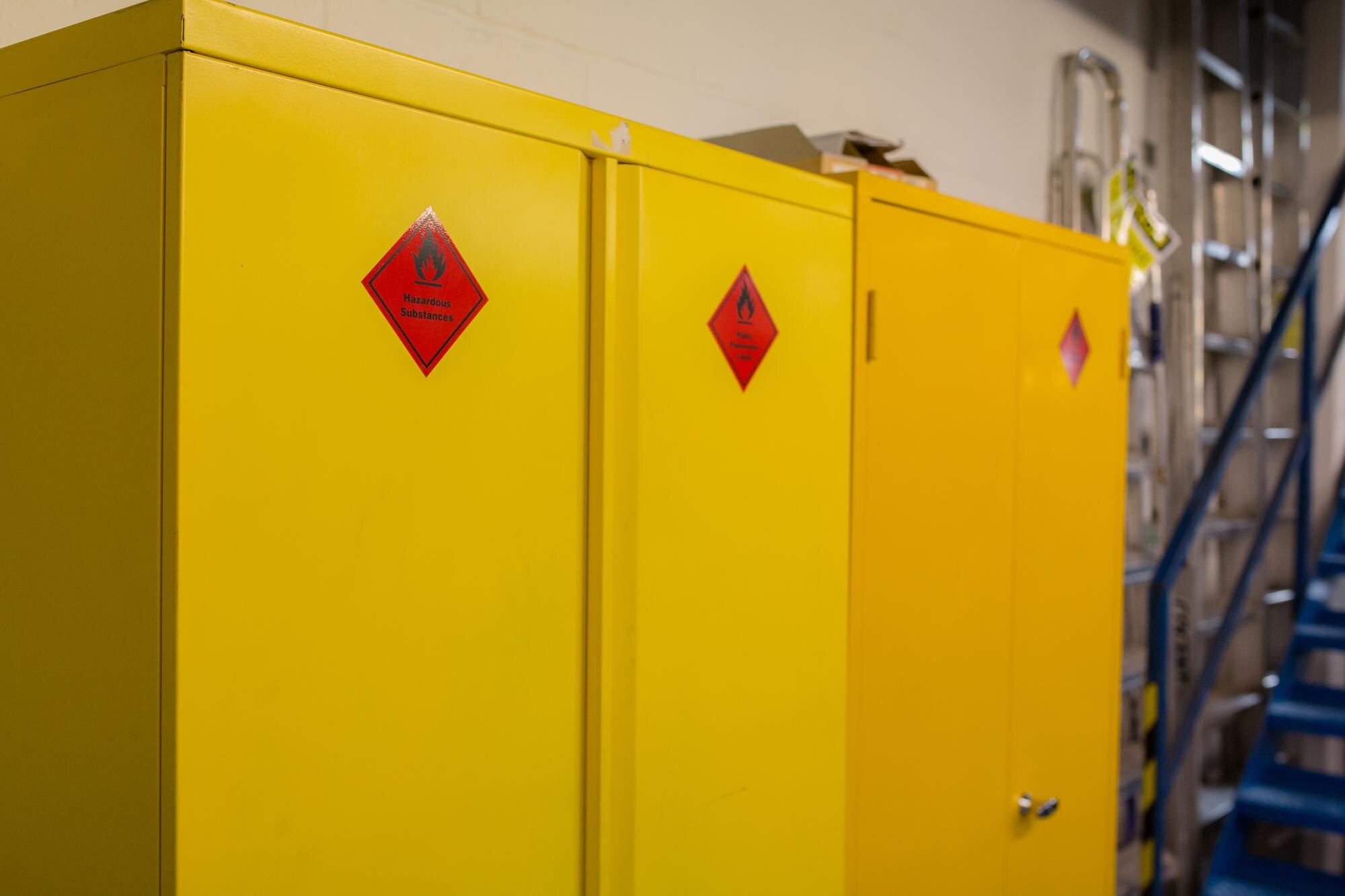
Spring marks the ideal time to reassess your workshop’s fire safety. Begin with a thorough evaluation of any potential risks lurking in your workspace.
Identifying Fire Hazards
Identifying fire hazards is the first step. Look for flammable materials, faulty wiring, or cluttered spaces. For instance, a cluttered corner filled with oily rags or papers can be a fire waiting to happen. Ensure you dispose of waste properly and store items like chemicals and fuels in appropriate containers. Statistics show that improper storage is a leading cause of fires in workshops. Regularly updating your list of hazards keeps everyone aware and alert.
Next, evaluate the machinery and equipment. Are they well-maintained and free from defects? Check for frayed cords or malfunctioning parts. A simple checklist can help spot these issues before they escalate. Remember, a small spark can ignite a larger problem.
Evaluating Current Safety Measures
Once hazards are identified, evaluate how your current safety measures stack up. Do you have smoke detectors and fire extinguishers in place? Is evacuation signage clear and visible? These tools are vital in an emergency, ensuring everyone knows what to do and where to go.
Consider the layout of your workshop. Is there clear access to exits? Walk through your space and imagine an emergency scenario. If you can move swiftly and safely, you’re in good shape. If not, adjustments may be necessary to create a path free from obstructions.
Importance of Regular Inspections
Regular inspections are crucial for maintaining safety standards. Schedule these checks at consistent intervals to catch issues early. Inspections provide an opportunity to update safety plans and ensure equipment like fire extinguishers are operational.
Most businesses believe annual checks suffice, but more frequent evaluations can offer better protection. Incorporate feedback from previous inspections to improve your current systems. This proactive approach keeps your workshop safe and compliant.
Choosing Fire-Resistant Storage

After assessing your workshop, focus on storage solutions. Investing in fire-resistant storage like flammable goods cabinets is essential for safeguarding materials.
Benefits of Flammable Goods Cabinets
Flammable goods cabinets offer multiple benefits. They securely store hazardous materials, reducing the risk of ignition. These cabinets are engineered to contain fires, providing a critical window of time to respond effectively. In addition, using such cabinets is a regulatory requirement in many industries, helping avoid penalties.
These cabinets not only protect your materials but also your investment. When a fire occurs, damage can be extensive. Having the right storage minimises loss and can make recovery faster and less costly.
Ensuring Safety Compliance
Safety compliance is non-negotiable. By using flammable goods cabinets, you align with industry standards and demonstrate commitment to safety. Compliance isn’t just about avoiding fines; it reflects a responsible business ethos.
Regular training for staff on safe storage practices reinforces compliance. This education ensures everyone understands their role in maintaining safety. It also empowers employees to identify and report potential issues promptly.
Key Features to Look For
When choosing a cabinet, focus on key features that enhance safety. Look for double-walled construction and self-closing doors. These elements provide additional layers of protection against fire spread. Also, consider cabinets with ventilation systems to reduce fumes and pressure build-up.
Selecting a cabinet with adjustable shelves can accommodate different container sizes. This flexibility ensures safe and organised storage. Consider your workshop’s specific needs and choose a cabinet that best suits your environment.
Enhancing Workshop Safety Compliance

With storage sorted, it’s time to fine-tune your safety protocols. Enhancing compliance involves adopting best practices that protect both people and property.
Implementing Best Practices
Implementing best practices involves regular updates to your safety plan. Keep safety data sheets accessible and ensure all materials are labelled correctly. Encourage a culture of safety where employees feel comfortable reporting hazards.
Perform drills to prepare for emergencies. These exercises reveal weaknesses in your current plan and offer a chance to improve. An informed and prepared team is more likely to react appropriately in a crisis.
Training Staff for Emergencies
Training staff is vital for effective emergency response. Conduct regular training sessions that cover evacuation procedures and the use of fire extinguishers. Realistic scenarios help employees practice responses in a controlled setting, boosting confidence.
Employees trained to handle emergencies reduce panic and enhance safety. They know where to go, what to do, and how to help others. This knowledge can make all the difference when seconds count.
Securing Peace of Mind
Finally, securing peace of mind is the ultimate goal of any safety strategy. Knowing your workshop is prepared for fire emergencies allows you to focus on operations without worry. This peace of mind extends to employees, creating a secure and productive environment.
Regular reviews and updates to your fire safety plan keep your workshop ready. The longer you wait, the higher the risk. Stay proactive, and ensure your workshop remains a safe, compliant space.
